








Lift Station Maintenance: How to Prevent Odors, FOG Buildup, and System Failures
Caring for a hospital, apartment, or commercial property involves maintaining the essential systems that operate behind the scenes. One of the most critical is the lift station. Unlike pump stations found in sewer systems, these lift stations are often located close to occupied spaces, which makes problems harder to contain.

As waste breaks down and grease builds up, issues can show up as odors, equipment failures, or even backups. These problems can affect tenants, patients, and staff. The challenge is that lift stations are always receiving new waste, so the problem does not go away on its own.
Without a consistent maintenance plan, these issues will continue to come back. In this article, you will learn how State Chemical’s lift station treatment program is designed to control buildup, reduce odors, and keep systems running reliably.
Why Lift Stations Develop Odor and Buildup Problems
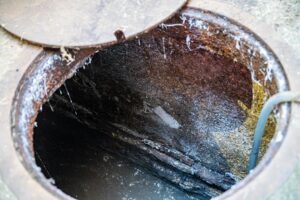
In any facility, lift stations are something that property managers want to keep hidden. If guests know they are there, it is likely due to smell or backups happening in the building. The primary cause of these problems is the fats, oils, and greases (FOGs) that come from kitchens and daily use. When these cool, they stick to walls, floats, and pumps. A grease cap forms and restricts flow, interfering with operation.
Restricted flow means stagnant water, which leads to odors and corrosion from wastewater. Grease and solids coat float switches, pumps, pipes, and valves. The pumps can also stop triggering correctly, and the system can overflow. Lift stations require precision to function correctly. Buildup can quickly turn them into unpredictable systems. The design of a lift station (holding wastewater) is exactly what makes it vulnerable.
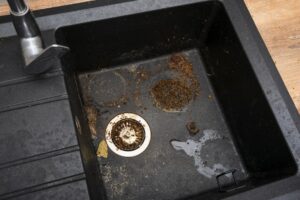
Common contributors to buildup are cooking grease, food waste, “flushable” wipes, and hygiene products. These materials don’t break down easily and create blockages. In commercial properties, this issue can hit harder with the large number of grease sources, higher wastewater volume, and lift stations being located near occupied spaces.
Lift station problems do not happen all at once. They build over time as waste collects, bacteria grow, and equipment is affected inside a confined system.
What is a Chemical Lift Station Maintenance Program?
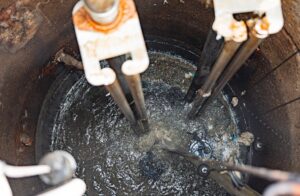
A lift station maintenance program uses chemical or biological treatments to control grease, odor, and buildup inside a lift station. The goal of establishing a program is to break down the fats, oils, and greases to reduce odor and keep lift station pumps and other components working.
A program for your lift station typically includes ongoing dosing for your system, and not a one-time solution. Products are monitored over time and receive regular service to ensure continued function. A lift station maintenance program is a way to be proactive and stay ahead of problems. With a system that requires as much control as a lift station, a consistent approach has the most benefits available.
Preventative Lift Station Maintenance vs. One-Time Treatments
Lift stations are often treated only after a problem shows up. That approach fixes the symptom but not the cause.
One-time treatments are considered a reactive approach. These are typically used after an issue appears, such as strong odors, heavy grease cap, or slow and failing pumps. This approach breaks down the buildup quickly and reduces odor in the moment.
While it may feel like you have the problem fixed, there are limitations. These one-time solutions do not stop new grease and waste from entering or keep the conditions from returning over time. This often leads to repeated issues and emergency services, due to the ongoing issue not being resolved.
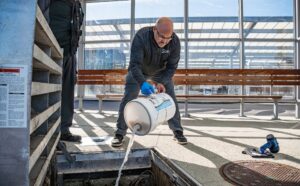
Opting for a preventative maintenance program includes scheduled, consistent treatment of the lift station that is built around how the system is used. Ongoing treatment helps to control FOG before it builds up and keeps odor-causing conditions in check.
Using ongoing dosing instead of a one-time application helps to maintain stable system performance. Regular service and adjustments mean fewer emergencies and moments when you can’t get the lift station under control quickly.
Lift stations do not stay clean on their own. Without ongoing maintenance, the same problems come back.
Building a Lift Station Program (From Beginning to Ongoing Maintenance)
Every program starts with understanding the current condition of a lift station. Asking questions like “Is there a grease cap?” or “How strong are the odors?” can both be valid assessments. This determines whether the system needs correction first or goes straight into maintenance.
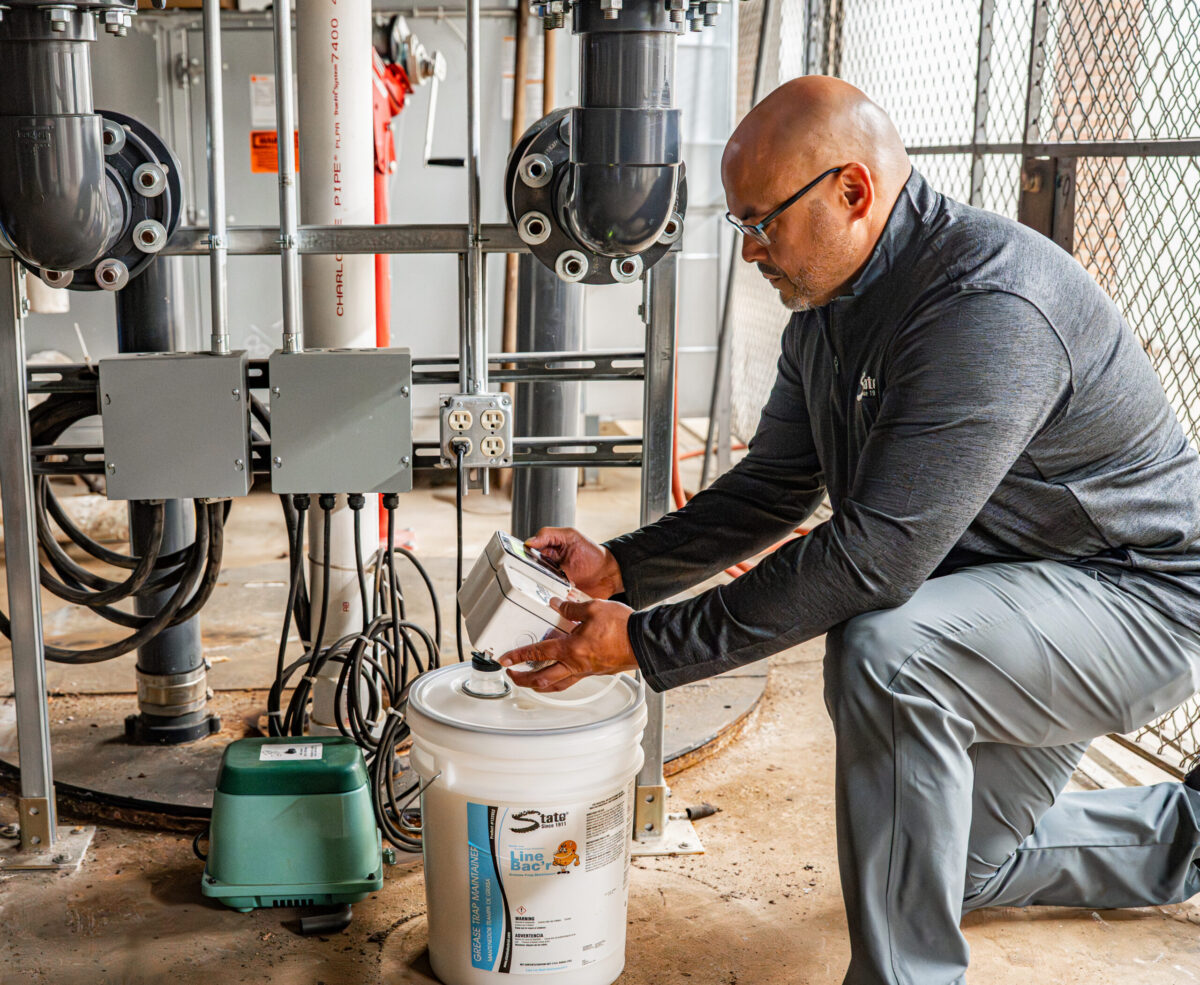
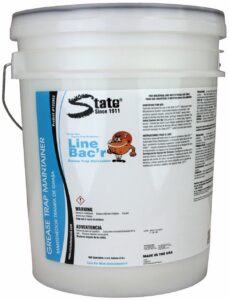
If the lift station is assessed and already has heavy grease or odor, you likely need to address that before maintenance begins. In these cases, a biological or chemical treatment is used to break down existing buildup. An option such as Line Bac’r™ can help to reduce hydrogen sulfide (which contributes to odor) and digest sludge at the same time.
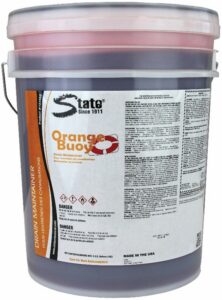
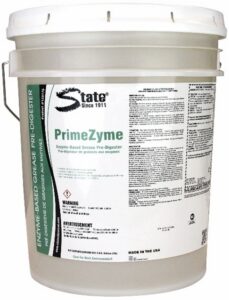
Once the system is stabilized, the focus can shift to prevention. Most lift stations benefit from a combination of biological treatments and floating degreasers. Biologicals are meant to digest buildup, like PrimeZyme™. Floating products such as Orange Buoy™ are meant to control odor and keep surface grease from sticking to walls.
What makes it a program instead of just a diagnosis and product solution is the continued field maintenance and service. This includes:
- Checking grease levels and odor conditions
- Maintaining proper product levels
- Adjusting treatment based on usage and load
Lift stations change over time, so the program has to be able to change with them. With the constant flow of waste, new odor-causing conditions are always forming. Without consistent treatment, buildup returns, odors come back, and performance declines again.
What Results to Expect
With ongoing treatment, odor-causing gases are controlled. This means there will be fewer noticeable smells near the lift station, which means fewer complaints from tenants, patients, and staff. As treatment of these odor-causing materials continues, grease and organic waste are broken down before they can accumulate. This results in cleaner walls, less grease coating, and slow buildup over time.
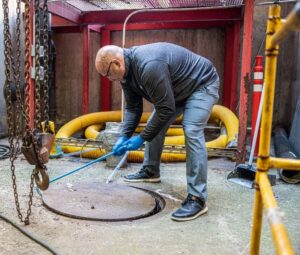
With the buildup and odor controlled, the system can operate the way that it was designed. Lift station pumps cycle more reliably, there is less risk of clogs or slowdowns, and the flow improves through the system. With a more reliable lift station, there are fewer emergencies and service calls.
Kyle Ough, District Sales Manager at State Chemical, says, “Treating with State Chemical takes the guesswork out of your hands and puts the plan in ours. Whether it is organics, FOG, or odors, our programs are built to address each issue through a consistent maintenance approach and deliver the results you expect.”
Keeping Your Lift Station Under Control
Lift stations are not systems you can ignore until something goes wrong. By the time odors, backups, or failures show up, the problem has already been building for a long time.
A consistent maintenance program keeps that from happening. Instead of reacting to issues, it controls the conditions inside the lift station day to day. That means less buildup, fewer odors, and more reliable operation.
Interested in learning more about how our programs work? Click here to learn more.
Get in Touch With Our Team
Have a question or need support? Our team is here to help. Fill out the form and we’ll connect you with the right expert to get you the answers you need.
For details on how we handle your information, visit our Privacy Policy.