








Picking the Best Industrial Grease for Your Specific Applications
When equipment isn’t running smoothly, it can lead to costly repairs, downtime, and frustration. Without proper lubrication, your operation may face equipment damage or inconsistent outcomes.
Downtime you weren’t expecting, corrosion on equipment, and replacements you weren’t expecting can cause costly and time-consuming repairs. Getting ahead of problems by using the correct grease to lubricate machines can help remove concern for problems down the road.

This article explains the characteristics of different types of industrial grease that are suitable for your facility, including lubricating greases for:
- Everyday Wear
- Intense Impact
- Food-Area Compliance
- Extreme Temperatures
Why is Industrial Grease Needed?
Most industrial equipment has moving parts that require consistent and constant lubrication. Without lubrication, consistency and efficiency are at risk. Industrial lubricating grease is needed in heavy-duty situations where a thinner lubricant for chains and bearings may slip or not provide continuous lubrication.

As far as reducing wear and tear, industrial grease keeps friction at bay. Between all the moving parts, friction is going to be applied and cause early wear on machines. Besides slowing wear due to metal against metal movement, industrial grease helps to protect surfaces against rust and corrosion. In humid or wet environments, this is important for longevity in machinery. The seal that grease forms can also keep out dirt and dust.
Using the correct industrial lubricating grease can significantly improve how your machinery carries heavy loads and handles shock. High load grease is built to provide extreme pressure protection and to resist corrosion.
Understanding why equipment needs lubrication is one thing, but choosing an option that best fits your needs can be hard. Every industrial grease is built with different characteristics in order to be safe and effective in a wide variety of placements.
Industrial Grease for Everyday Wear and Tear, Moisture, and Dirt
In your everyday operations, you rely on a variety of equipment throughout your facility. Squeaky hinges, pivots, and linkages can slow you down and cause problems further down the road. You could be struggling with dry fittings that don’t take grease easily, grease turning gritty from dust, or rust accumulating around joints and pins on your machine.
You can find these issues almost anywhere that uses industrial equipment. In warehouses or distribution centers, you may notice dock doors getting stuck and struggling to open and close correctly. Conveyors that slow down and rollers that struggle to stay lubricated put your facility in a place where you may have tried a standard thin lubricant to get things moving.
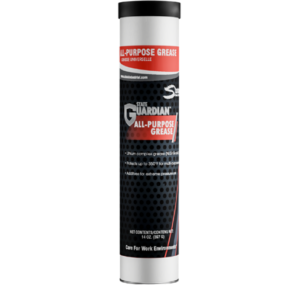
In certain cases that involve heavy-duty machinery or hinges that are used frequently, a thicker, all-purpose grease may suit your needs. A grease such as State Guardian® All-Purpose Grease can be used as the “go-to” grease for routine lubrication and help to reduce metal-on-metal wear and noise. While this grease is not meant for extreme heat or high pressure, an all-purpose grease like this will offer reliable protection for many applications.
When Industrial Grease Needs to Handle Heavy Loads and Vibration
When it comes to high impact or heavy loads, your lubricant requirements are going to shift from an all-purpose option. A common struggle when using the wrong grease is dealing with grease getting pushed out of the contact area under a load. This can lead to frequent re-greasing and can leave your machinery improperly cared for. Joints can get noisy, wear can show early, and components can begin to need more downtime.
In fleet vehicles like dump trucks, plows, and loaders, you can start to notice these problems if the grease isn’t meant to withstand the pressure. In construction support shops, the equipment that workers rely on to carry heavy loads may stop working as well or require longer periods of rest in between runs. Industrial plants with conveyors that carry heavy loads and high-vibration machinery could struggle with hot spots. All these facilities and equipment rely on maintenance and lubrication to withstand the pressures of their tasks.
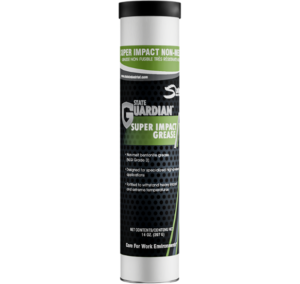
A grease, such as State Guardian® Super Impact Grease, is built to handle shock loads and high-pressure contact points. A grease that is made to stand up to these heavy loads is going to help keep grease from squeezing out, therefore being less effective. When you use the proper grease for your equipment, you struggle less with wear and tear on your equipment since the lubrication is doing the job it’s intended for.
Industrial Grease for Hot and Cold Temperature Situations

Maybe you have grease that works well for high impact and think that it will work well for high or low temperatures. However, when a grease not meant for extreme temperatures is used, the grease can melt or thin and run off the exact area it was applied. In the cold, grease can stiffen, causing slow movements or hard starts. It’s possible that you didn’t notice a problem with your grease in spring or fall, but as the temperatures drastically rose or dropped, things took a turn for the worse.
When it comes to outdoor environments, you may run into issues with your public works equipment, landscaping, or dock equipment. A plant that has hot-running equipment, such as a motor or bearing near a heat source, normal grease might not be up for the task. A machine that is constantly going from indoor to outdoor use may deal with slipping grease in the summer due to extreme temperature changes.
A grease made for extreme temperatures is going to provide better stability when equipment runs hot or sees sustained friction heat. For example, State Guardian® Extreme Temp Grease is applicable in temperatures ranging from -20°F to 500°F. A grease that’s able to function well in extreme temperatures provides better flow and protection during cold starts, as well as when temperatures swing from day to day.
Where Food-Grade Industrial Grease Makes Sense in Food Areas
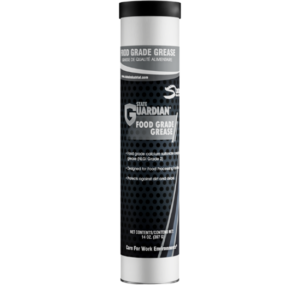
Besides caring for equipment in high-pressure or extreme-temperature environments, machinery and equipment in food environments has to meet a certain standard, and so does the lubrication. If the proper grease is not used, facilities could deal with a contamination risk in their products. Confusion can cause team members to reach for the wrong grease, unsure of which is safe to be applied as lubrication. However, the equipment still needs protection to avoid unnecessary wear and block out moisture, just like non-food-grade equipment.
Facilities that require a food-grade grease can range anywhere from food processing plants to commercial kitchens. In a processing plant, they handle meat, dairy, beverages, baked goods, etc. All these items are at risk of contamination and can cause huge disruption if a contaminated item makes its way to the public. In a commercial kitchen, equipment that needs maintenance is going to be involved in or near ingredients and prep zones.
A food-grade grease like State Guardian® Food Grade Grease provides a way to standardize lubrication in food and inspected areas. When using a food-grade lubricant, it will provide continued maintenance without introducing a “wrong grease in the wrong place” problem and avoiding a contamination risk.
Getting More Life for Your Equipment with the Right Grease
Whether your needs require you to find a specific solution for heavy loads or big temperatures, it’s important to understand that industrial grease isn’t one size fits all. Lubricating your equipment should help you be more efficient, and avoiding trial and error with the correct maintenance products will lead to faster, more confident results.
Interested in learning more about industrial grease and our other equipment maintenance options? Click here to read more.
Get in Touch With Our Team
Have a question or need support? Our team is here to help. Fill out the form and we’ll connect you with the right expert to get you the answers you need.
For details on how we handle your information, visit our Privacy Policy.