








Hotel Insect Control: Causes, Common Pests, and Effective Solutions

In hospitality, even a minor insect issue can quickly escalate into a larger problem, such as guest complaints, negative reviews, and increased pressure on your staff. The reality is that hotels deal with conditions that make pest activity hard to avoid.
The difference comes down to how those problems are managed. With the right approach, insecticides can be used as part of a targeted, ongoing program that addresses the source of the issue, not just the symptoms. In this article, we will discuss what the right approach looks like.
Why Insect Problems Escalate Quickly in Hotels

Hotels are especially vulnerable to insect infestations because of the constant movement of guests, luggage, food, moisture, and waste throughout the property. These problems are rarely isolated. Without a targeted treatment approach, insects can spread faster than staff can respond.
Guest turnover constantly introduces new entry points for pests like bed bugs and cockroaches. Because hotel rooms are connected through walls, plumbing, utility lines, and HVAC systems, infestations can quickly move from one room to another if left untreated.
Hotels also generate a steady supply of food waste and organic debris through kitchens, bars, breakfast areas, trash rooms, and dumpsters. These environments attract flies, roaches, and other insects looking for food and breeding areas.

Moisture around bathrooms, floor drains, and condensate lines creates another major risk area. Drain flies and other pests thrive in the organic buildup inside pipes and drains where surface cleaning cannot reach.
In hospitality, even a single insect sighting can lead to guest complaints, negative reviews, and lost business. Understanding the most common hotel pests and how they spread is critical for preventing small issues from becoming larger infestations.
The Most Common Insects Found in Hotels
With guests coming and going in every single room, it’s important to keep an eye out for bugs that can be introduced and breed inside the rooms. Bed bugs are usually brought in by guests and luggage, not created in your hotel. They hide in mattresses, bed frames, furniture, and carpet edges. These bugs spread quickly between rooms, and one sighting can lead to complaints and refunds.

Hotels are usually home to a few different kitchen or utility areas, making them prone to insects that thrive in warm, dark, and food-rich environments. Cockroaches and ants are commonly found in the kitchen or storage areas, mechanical rooms, and behind different walls or equipment. These pests are masters at slipping through cracks and gaps between rooms and exits to outside spaces. Both cockroaches and ants are considered a persistent problem that, once established, can multiply quickly.
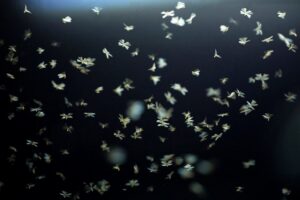
Inside hotel bathrooms and food areas, the organic buildup, moisture, and waste can attract drain flies, fruit flies, and house flies. These common insects are usually found lingering in floor drains, sink drains, trash rooms, dumpsters, kitchens, and bars. The main problem with flies is that they breed at the source, making it nearly impossible to get rid of them with a simple surface cleaning.
Why Surface Cleaning Alone Doesn’t Stop Insects
Since insects don’t tend to live on visible surfaces, their breeding sites are the real problem. For example, visible drain flies mean they are already breeding and living inside the drain. Wiping and disinfecting may kill visible insects yet will do nothing to the hidden eggs and larvae. As new insects emerge within days, the problem will repeat.
With present grease, food residue, and biofilm in floor drains, kitchens, and trash rooms, it becomes a continuous food source and breeding ground. Similarly, other insects like ants have the ability to start out as just a few and remain out of sight. By the time you or your guests notice them, the population is likely established, and simply cleaning the space that you see them in won’t help you long term.
Surface cleaning improves appearance, but it doesn’t eliminate the source. That’s why insect control in hotels requires targeted treatments that reach where insects live and breed.
Where Insecticides Make the Biggest Impact
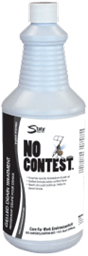
Insecticides make a large impact in drains and plumbing systems, given that they are a consistent breeding source. The organic buildup gives flies and other moisture pests an ideal breeding source. Targeted treatments like No Contest™ help to stop infestations at the source by eliminating their food source, rather than just addressing the symptom.

In guest rooms, an insecticide for bedbugs that can be found in carpets or to treat ants and roaches in baseboards comes in handy. Entry points to hotels and rooms inside hotels are prime locations that may go unnoticed at first. Focused treatments help to limit the spread, not just the presence. Zero In™ Powdered Insecticide not only targets crawling insects, but has a long residual performance for recurring problem areas.

Trash rooms, dumpsters, kitchens, and bars are known for being home to many different kinds of food waste. Since this is the perfect place for insect breeding, it is also the perfect place to inspect for treatment. Insects hide and live in hard-to-reach places, requiring an extra effort to target the source. Zero In™ Broad Spectrum Insecticide attacks a variety of crawling and flying insects and keeps the treatment simple.
The biggest impact comes from treating where insects live, not where they’re seen. Focusing on these high-risk areas allows hotels to control infestations at the source and reduce recurring issues.
Preventing Infestations Instead of Reacting to Them
To better protect your facility, doing preventative maintenance can help lessen infestations and pest problems. Starting with a routine drain maintenance protocol and treating them as a primary risk area can lessen your emergencies. Regular cleaning helps to prevent organic buildup, as does addressing leaks, standing water, and condensation.

Set the standard for controlling trash handling and cleaning frequency by keeping the dumpster and trash room areas clean and dry. Limit your food residue in kitchens and bars, ensuring there is no source for insects to fuel their population. Even better, you can close gaps around doors, pipes, baseboards, and wall joints to reduce how easily pests and insects can enter and spread.
Besides focusing on the high-risk areas of your facility, training staff to spot early warning signs is a key factor. Small signs like slow drains, odors, small insect activity in corners, and occasional flies could lead to a bigger issue. Early action prevents larger infestations and lessens guest impact.

Insecticides may still be needed but can be confined to just a few problem areas. Fewer pest-related emergencies and complaints mean you won’t need a blanket fix all the time. Use insecticides on entry points, known hiding spots, and light activity infestations to keep small problems from multiplying into something much more difficult to manage.
The most effective pest control programs don’t rely on reaction; they reduce the conditions that allow insects to thrive, with targeted treatments used to reinforce those efforts when needed.
Building a Complete Insect Control Program for Hotels
Insect control isn’t a one-time fix. It’s a consistent program built around good habits for prevention and targeted treatment. Routine cleaning and sanitation, moisture and drain management, monitoring high-risk areas, and utilizing targeted insecticides when needed all make up parts of a strong program.
Preventative approaches reduce guest complaints, emergency treatments, and staff disruptions while creating a more predictable environment. State Industrial Products focuses on helping to identify problem areas, providing the right solution, and supporting ongoing maintenance.
Interested in learning more about targeting common pest problems? Watch the video below to hear about different solutions.
Get in Touch With Our Team
Have a question or need support? Our team is here to help. Fill out the form and we’ll connect you with the right expert to get you the answers you need.
For details on how we handle your information, visit our Privacy Policy.