








How to Identify and Treat Dry Drain
Dry drains cause a great deal of problems in many different facilities, ranging from foul odors to potential health risks if left untreated. It’s important to utilize the correct solutions for your facility’s needs to ensure your dry drain remains gone after treatment. Whether you’re in a school, grocery store, fitness center, or apartment building, there is always a need for drain care solutions.
A great way to deal with dry drains is locating the source of the odor, then selecting the correct treatment for the job. By following the tips provided in this article, you’ll be ready to tackle the pesky dry drain odor that permeates your facility.
Common Causes of Drain Smells
There can be multiple reasons why a drain smells strange when you’re near it. If you don’t know what the difference between a drain clog and a dry drain is, there are some distinguishing features between the two. If your drain is draining very slowly, the smell is likely caused by a clog. Drain clogs can trap food, grease, hair, and other debris, which produces a strong, unpleasant odor as it breaks down.
If your drain smells like rotten eggs but still drains normally, it’s likely a sign of a dry drain. Deeper on in this article we’ll cover ways dry drains occur along identifying and treating the issues associated with them.
What is a Dry Drain
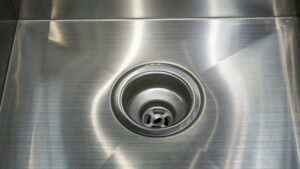
When a drain goes unused for too long, standing water in the drain evaporates, resulting in a dry drain. P-traps and U-traps are designed to have a small amount of standing water to prevent sewer gases from leaking through to your operating space. Although dry drains are relatively easy to fix, leaving them untreated can create more serious problems over time.
Leaving dry drains unattended has large health risks associated with them. For example, sewer gases contain hydrogen sulfide (H2S), which can cause eye irritation, shortness of breath, and coughing fits. Additionally, biofilm and H2S buildup will worsen the longer the dry drain is left unattended.
Early Warning Signs of a Dry Drain
The harmful effects of H2S gas require prompt attention to prevent exposure-related side effects. When a dry drain is beginning to spread sewer gases, the odor will start small and only grow in severity overtime if left untreated. Depending on where the drain is located, it can be difficult to pinpoint the source of the odor if it’s been neglected from use for an extended period of time.
In low traffic areas, search for the smell of rotten eggs as the sulfide in the air creates that odor. Additional ways to check for a dry drain is if you hear a faint bubbling noise coming from the drain, without any recent use. This indicates that air and sulfide gas is beginning to break through the p-trap’s water barrier and entering your facility.
These warning signs are important to look out for when returning to operations after an extended break, as it only takes a month for a p-trap to dry out. This is especially true in colder climates, where low humidity intensifies the rate of evaporation.
Identifying Dry Drains
Once you pinpoint a problem drain, the best course of action is to test whether it’s a dry drain or different drain-related issue. Pour one gallon of water down the drain to test the drainage system. If it drains quickly while maintaining an odor, then it’s a dry drain. Using hot water is preferred as it can loosen small pieces of residue that had time to build up when the p-trap was dry.
A dry drain should be able to drain water quickly, so if you’re experiencing a slow drain, it’s likely caused by cloggage rather than dryness. Hot water should be able to clear small blockages, but you may require stronger solutions depending on the type of clog.
Treating Dry Drains
Once you’ve identified a dry drain, it’s important to remedy the problem as soon as possible, to prevent the previously stated health effects. The best practice is to pour water through the drain system every 1-2 weeks, ensuring that evaporation will not occur in your system. Consistent drain usage is the best way to keep dry drains at bay.
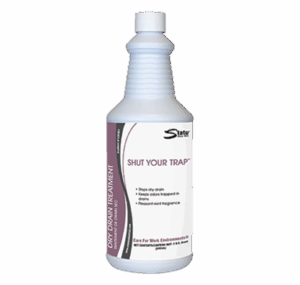
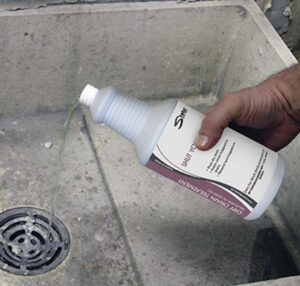
Constantly running water to maintain drains can be time-consuming, but there is a way to help treat your evaporation problem. A dry line sealer such as Shut Your Trap™ can help slow the evaporation process, allowing your team more time to work on other facility needs. It works by establishing a liquid protectant film that sits on the top of your p-trap, slowing the standing water evaporation process. What differentiates Shut Your Trap™ from similar products on the market is that we incorporate our SE-500® odor-eliminating technology into the formula, allowing for a stronger, more effective odor elimination.
Why It’s Beneficial to Protect Your Drains
Maintaining healthy drains allows for less unexpected down time from the potential health risks a dry drain can cause. Additionally, there is a legal risk of persecution as H2S gases are considered poisonous by OSHA and must be handled promptly to avoid legal action. Keeping your drains healthy with our drain maintenance products can easily circumvent this issue, as our formulations are designed to keep both the gases and odors at bay.
Healthy drains are also quick drains, allowing for easy use when you have heavy drain usage in a short period of time. It keeps operations running smoothly and keeps employee morale high by reinforcing that your facility is well-kept.
Preventive Measures Against Future Dry Drain Issues
To facilitate your drain care and maintenance, State Chemical offers a comprehensive drain care maintenance program where we dispatch one of our drain product specialists to help you diagnose and remedy your drain problem through our extensive product portfolio.
A benefit of our drain maintenance program is that our product specialists will routinely check all drains in your facility on your behalf. If your drains require maintenance, our service team will quickly provide solutions and protections through our specialty products to make sure you’re at minimal risk of dry drain or other drain issues.
We’ll help you design a drain care program tailored to your facility, as each environment has unique risk factors for drain issues. Our team specializes in a variety of regions across the U.S and Canada, informing you of how humidity and other environmental conditions will affect your risk of a dry drain.
If you’d like to inquire more about how our dry drain solutions work, check out our Shut Your Trap™ product page to learn more about its features!
Get in Touch With Our Team
Have a question or need support? Our team is here to help. Fill out the form and we’ll connect you with the right expert to get you the answers you need.
For details on how we handle your information, visit our Privacy Policy.