








Best Commercial Insecticides for Facility Pest Problems
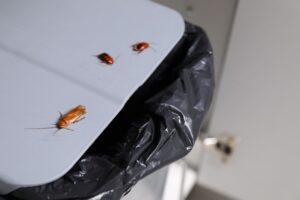
Insect problems in commercial facilities rarely come from a single source. Flying insects around drains and trash areas, ants in breakrooms, roaches in utility spaces, and wasps around entrances all require different treatment approaches. Relying only on reactive treatments can allow infestations to return and spread throughout the facility.
The most effective insect control programs focus on identifying the type of pest, understanding where activity is coming from, and selecting the right treatment strategy for the environment. Facilities that address insect activity early with preventative measures and targeted treatments can often reduce recurring infestations and limit the need for emergency exterminator visits.
Why Insect Problems Become Recurring Facility Issues
Insect problems often arise because the conditions that allow them to thrive are not fully addressed. Any facility that has moisture, food debris, grease buildup, trash areas, clogged drains, standing water, or storage areas is more likely to experience recurring insect problems.

There are many areas that are often missed when normal surface cleaning is done, or places that aren’t thought of as the main problem. Insects may hide and breed in cracks or crevices in flooring, under equipment, or in utility spaces. Treating only visible activity often leaves the source of infestation untouched.
Without any residual control or targeting the source of the infestation, you leave your facility susceptible to complaints, sanitation concerns, operational disruptions, and increased visits from an exterminator.
Solving Problems with Flies, Mosquitoes and Gnats in Commercial Facilities

A common insect problem can be a variety of flying insects. Flies, gnats, mosquitoes, and moths are an annoying problem that will affect both your service and customer experience. Places like floor drains, grease traps, dumpsters, and food prep areas have moisture and organic buildup. These circumstances create perfect breeding grounds for infestations to begin.
In any facility with coming and going guests and employees, there are plenty of opportunities for pests to get in and get trapped, leading them to find the best place to make their new home. Occupied, customer-facing spaces can have odors and more buildup that attract insects. These insects spread between hiding places and make their way throughout your facility.
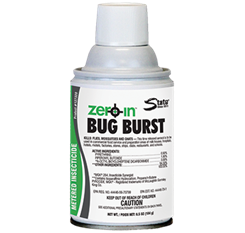
Treating flying insects in a safe and effective way is important to target and eliminate them. Zero In™ Bug Burst is designed to provide continuous treatment for 30 days in commercial kitchens, food service areas, hospitals, hotels, factories, and schools. Since this product is a metered spray, it will continuously disperse into the air and become effective after only an hour. Eliminating safe entry periods for pests to re-infest helps maintain a cleaner environment in your facility.
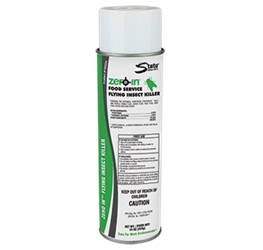
If you are looking for a product to quickly tackle infestations or spot treat, Zero In™ Food Service Flying Insect Killer can eliminate problem pests. The pyrethrum in the product helps repel future insects, aiding your facility in more complete control. Since there is no residual effect, this product is well-suited for use in food service areas to control flies, gnats, and other flying insects.
Preventing Roaches, Ants, and Hidden Crawling Insects
Similar to flying insect problems, crawling insect problems can be hard to eliminate if not approached in the right way. Cockroaches, ants, and other crawling pests are common in commercial facilities, but not welcome. Crevices in the floors, wall voids, storage rooms, and spaces behind appliances are all places that insects can go unnoticed or not be seen as an issue until it’s too late.

Hidden nests and colonies can survive when treating or killing the insects that you see is your only line of defense. Continuously seeing ants appear inside your facility is frustrating and a hygiene concern. Behind the appliances, in dark or moist places, eggs survive and continue to hatch. The eggs continue to produce a never-ending supply of pests that are not being treated at the source.
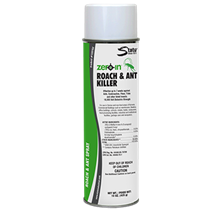
A residual treatment like Zero In™ Roach & Ant Killer is great for on-contact killing of colonies and continues to protect for up to 7 weeks. Whether your problem is brewing in a trash room or behind your refrigerator, this indoor insecticide is made to target the places where insects hide.
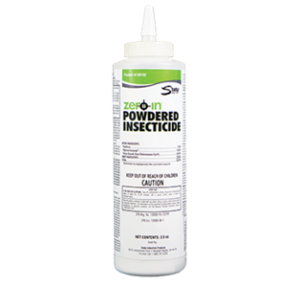
Another powerful approach is Zero In™ Powdered Insecticide, using pyrethrin to kill pests on contact and keep them from hiding out wherever it’s used. Whether you operate in a restaurant, hotel, office, warehouse, or school, reaching hidden infestation areas is important to protect your facility and reduce emergency calls to your facility to treat insect problems.
Managing Outdoor Insect Activity Around Buildings
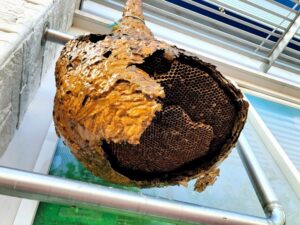
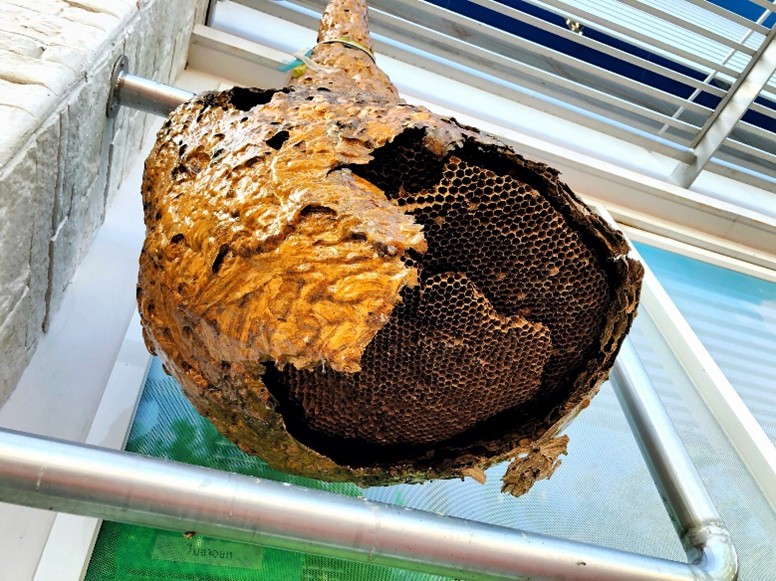
Outdoor insects are a big enough problem when enjoying fresh air, but are a larger problem when they impact facilities around them. Wasps, hornets, and bees are not only pests that harm the spaces of your facility but can also harm your employees or guests. Any area is at risk of being home to a nest, but dumpsters, outdoor dining areas, entrances and walkways, and rooflines are the most concerning.
Bees and wasps can easily enter through doors into your facility. With these easy access points, nests are likely to form if the problems are ignored long enough. The dangerous insects can easily create a large quantity of customer complaints, as well as safety concerns for all individuals moving in and out of the facility.
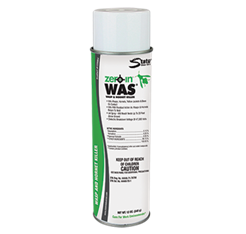
To target these insects, start with Zero In™ WAS® to treat and knock down hornets, bees, and wasps from as far as 20 feet away. Directly tackling these nests is important, but with dangerous pests, you want to remain at a safe distance to ensure no harm is done to you or surrounding guests.
What to Do When Insect Problems Spread Throughout the Facility
When insect activity becomes more widespread or severe, it’s important to notice the signs so you can treat the problem as such. These include:
- Repeated sightings in multiple areas
- Recurring complaints
- Insect activity is returning shortly after treatment.
- Increased activity around drains, trash, or utility spaces
- Activity spreading beyond one room or department
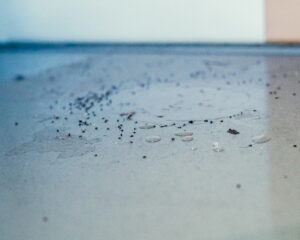
Spot treatments sometimes stop working if there are multiple breeding locations that you haven’t been able to pinpoint, have inconsistent treatment coverage, or are only treating what is visible. At this stage in treatment, facilities often need broader options rather than isolated aerosol applications.
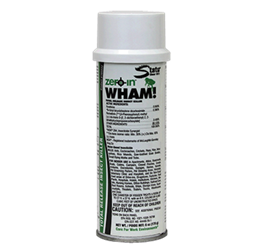
Sometimes, you need an option like Zero In™ Wham to fully treat a room or area. One-step, hands-off foggers offer a safe and effective way to eliminate crawling and flying insects, including both adults and larvae. Since this is a dry spray, it won’t leave a sticky or oily residue to attract dirt, and it won’t damage furniture.
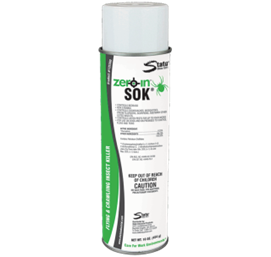
Zero In™ SOK® is meant for use in settings like kitchens, offices, gardens, hotels, and other commercial spaces. If your problem includes all kinds of different pests, both flying and crawling, you may be looking for a broader option to kill more and protect more of your facility quickly.
Building a Preventive Insect Control Program
Identifying insect problems in your facility is important to help reduce the conditions that attract insects and treat them at the source. Using the right treatment methods consistently helps to prevent small issues from getting larger.
If you are interested in learning more about the types of insecticides and what your options may be, read this article to get more information.
Get in Touch With Our Team
Have a question or need support? Our team is here to help. Fill out the form and we’ll connect you with the right expert to get you the answers you need.
For details on how we handle your information, visit our Privacy Policy.