




How to Pick the Best Industrial Lubricant for Your Specific Applications
In any facility with moving equipment, parts, and machinery, wear and tear are inevitable. When your equipment needs some help working smoothly again, your first instinct is likely to find a product designed to immediately improve function.
Equipment and parts stop working for several reasons. Rust, stuck parts, and excess downtime are frustrating. It can be even more frustrating when a lubricant being used isn’t working, in turn, causing more headaches.
In this article, you will learn about the different applications that lubricants can be used for, including:
- Chains, Cables, Pulleys, and Conveyors
- Open Gears and Heavy Equipment
- Bearings and Rollers
- Locks, Latches, Hinges, and Sliding Metal
- Machining and Mold Release
Why is Regular Lubrication Needed?
Before discussing specific applications, it’s important to understand what causes the need for a lubricant.
A common initial cause, such as outdoor exposure or water intrusion, can lead to corrosion. This is where you will see problems like rust or stiffness. Rust accelerates wear and increases downtime.
In addition to already existing natural causes, other problems help in slowing down or stopping your equipment. In places where dirt or grit find their way to machinery, these particles do their part in speeding up wear. The grit can act like sandpaper grinding on the equipment surface, causing permanent damage and lowering efficiency.
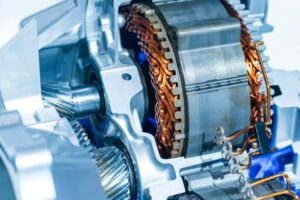
Some more process-specific reasons can include heat and pressure on your CNC and machining tools. Too much heat wears out your products sooner. When cutting equipment gets chips stuck, they scratch the surface and increase heat and friction. Similarly, when hot plastic or rubber cools, it can grip the mold surface, causing sticking and damage to the parts.
There are plenty of ways that nature and regular use can put stress on products that need to be used daily. With more knowledge on what causes the wear, diving into the specific applications and useful products can make more sense.
Lubricating Chains, Cables, Pulleys, and Conveyors
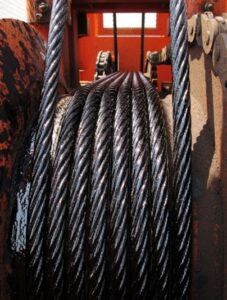
Almost all businesses and facilities have some sort of pulley or chain system. Whether you work in a manufacturing plant, distribution center, or an airport, doors must open, and closed chains must keep moving. Any part that pulls or drives equipment is critical and keeps operations running.
Typically, the problems you notice first are small. You recognize a squeaking or rattling coming from a gate when it opens that you haven’t heard before. The chains that once were shiny and new are now rusted and stiff. A conveyor that keeps an assembly line moving is getting stuck or moving more slowly than usual.
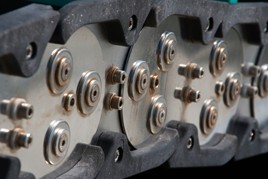
You are looking for the best and fastest solution possible. Replacement is costly. The goal is to restore smooth operation. For both your static and flexing chains, cables, and pulleys, State Guardian® Chain & Cable Lubricant is designed for high-friction industrial components like these. The dry film can protect against friction and wear, but does not attract dust or dirt.
Lubricants for Open Gears and Heavy Equipment
In places that have large utility operations, quarries, construction yards, or industrial plants, there is probably a lot of heavy equipment and/or open gears. Equipment like mixers, crushers, and compactors have many moving parts. When one slows down or begins to show signs of wear, the whole machine may deal with the after effects.
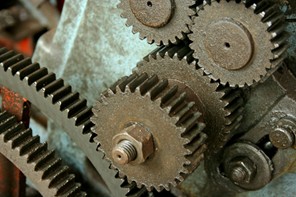
Neither open gears nor heavy equipment are “light lubrication” jobs. The first warning signs that your gears may need some assistance can be as easy to identify as a “howl” or grinding noise. Sometimes shiny wear marks show up on gear teeth, signaling friction. Your heavy equipment can have exposed rust, and if a thin or light lubricant is applied, it can easily slip off.
Heavy machinery and parts used in large operations should be treated as such. Using a lubricant not meant for your specific equipment will not be effective, and you could end up spending more money in the long run. A product like State Guardian® Open Gear Lubricant is made for clinging to those gear teeth that are too strong to hold onto a lighter lubricant. For your heavy equipment, you should also consider State Guardian® Red Gel Lubricant to protect the moving parts and keep everything running smoothly.
Bearing and Roller Lubrication
Bearings and rollers are common in manufacturing, warehouses, HVAC, and food processing. Bearings should run smoothly, and too much lubricant can cause problems like leaks, worsening noise, or inconsistency in function.
When these moving parts stop working as well as they once did, they typically make a humming, whining, or grinding sound that gets worse with speed. The bearings can feel hot to the touch due to the friction and heat. If you try to use a lubricant that isn’t working, it can leak out around the seals. All these signs point to your equipment not functioning and supporting your facility the way it should.

For industrial lubrication in situations like these, you can use a lubricant meant to stay in place and resist oxidation, even in extreme conditions. Lubricating these pieces is a way to maintain function and avoid further issues. For food processing equipment, you can consider an option like State Guardian® Food Grade Lubricant to take a non-toxic approach. If you are not in need of a food safe option, State Guardian® Red Gel Lubricant can be used to ease your problem.
Lubricating Locks, Latches, Hinges, and Sliding Metal
Nearly every facility or building has a variety of locks or hinges that are used every single day. Whether it’s inside a school, a hospital, a commercial building, or a service department, these parts are required to function daily. These small, exposed metal parts are prone to getting dirt and dust caught in them due to the day-to-day operations of any facility.

It may be time to lubricate if your lock only works briefly, just for it to stick again. Latches can become inconsistent. Your hinges might squeak even after oiling. Sliding parts can chatter, squeal, or jerk instead of moving gracefully. If your doors are becoming harder to open or your locks are beginning to fight against you, you are likely dealing with some type of corrosion that needs a lubricant.
For sticky or inconsistent locks and latches, State Guardian® Graphite Lubricant can provide a durable, pressure-resistant barrier that doesn’t attract dust, dirt, or debris. If you have stubborn sliding metal contacts, consider using State Guardian® Dry Moly Lubricant to resist moisture and prevent rust. If in need of a clear lubricant that can’t be seen, like on hinges or exercise equipment, use Guardian® Clear Gel Lubricant.
Lubrication for Machining and Mold Release
Machine shops, metal fabrication plants, maintenance tool rooms, plastics molding facilities, and automotive/aerospace suppliers can have some less generalized lubrication situations. Lubrication for machining is about controlling heat and friction at the cut. In mold release, it’s about consistent separation and not leaving residue behind.
You can notice signs of a rough surface finish or tools wearing faster than usual. Heat discoloration on parts and chattering or squealing during cutting can be signs of increased friction on your machinery. Additionally, smoking or odor can show up when trying to indicate poor lubrication. In mold release, parts can stick or tear during removal, and you may notice surface defects or a residue on parts. Poor lubrication can increase inconsistency and buildup on the surface over time.
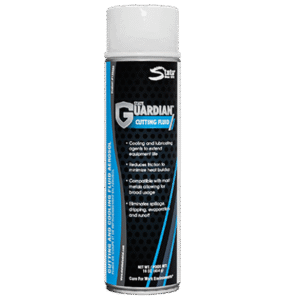
When you need a solution for your cutting tools, State Guardian® Cutting Fluid is effective in high temperatures. Its formula reduces friction, disperses heat, and protects against rust and corrosion. For mold release, try State Guardian® Dry Silicone Lubricant, which is made for plastic or rubber. It also prevents buildup from sawdust and dirt, while guarding against corrosion.
Extending Your Equipment’s Lifespan
Not every lubrication job is the same. Chains and cables need a lubricant that can soak in and protect. Open gears and heavy equipment need a lubricant that sticks and holds up under heavy load. Bearings need smooth protection without causing extra heat. Locks, hinges, and sliding metal need lubrication that will not collect dirt and gum up. Machining and mold release need products made for that exact job.
When you match the lubricant to the application, equipment runs quieter, parts last longer, and breakdowns happen less often. Read more about our options for industrial lubricants here.
Get in Touch With Our Team
Have a question or need support? Our team is here to help. Fill out the form and we’ll connect you with the right expert to get you the answers you need.
For details on how we handle your information, visit our Privacy Policy.