








How to Eliminate Persistent Odors and Improve Your Facility
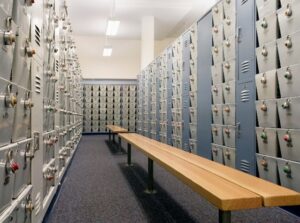
Bad smells are among the most persistent facility problems. They appear in restrooms, kitchens, and locker rooms, often returning even after cleaning. For visitors and staff, odors impact perceptions of a building. This guide explains the causes of persistent odors, why they’re hard to remove, and what truly eliminates them.
The Most Common Odor Problems in Facilities
Facilities use odor control solutions when persistent smells return despite their efforts. Most odors come from bacteria breaking down organic material. These smells can stem from hidden sources like surfaces, walls, drains, or materials generating constant odors.
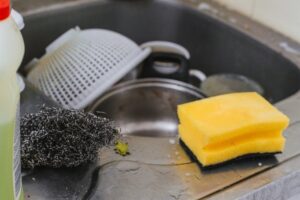
Bacteria, moisture, waste, and food residue are all common contributors to persistent facility odors. Understanding the source of each type of odor is the first step to explaining why it lingers and determining the right odor control solution to eliminate it.
Surface Odors: Buildup on Floors, Fixtures, and High-Touch Areas

Most public facilities share common high-traffic areas like restrooms, locker rooms, kitchens, and trash rooms. These spaces see constant use, which means they’re constantly exposed to odor-causing sources like urine residue, sweat, body oils, grease, food spills, and trash leaks.
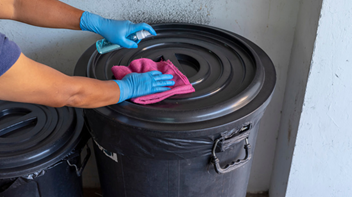
These smells don’t just linger in the air; they cling to surfaces. Floor grout, baseboards, wall fixtures, and trash bins can all hold onto odors even after they’ve been cleaned. Sour, musty, and greasy smells in these visible areas tend to be the first thing visitors notice, and they directly shape how clean and well-maintained a facility feels.
System-Based Odors: Drains, Waste Systems, and Hidden Infrastructure
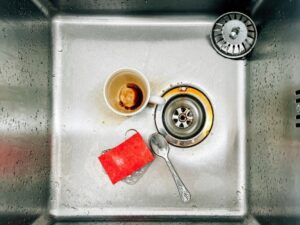
If you’ve ever noticed a rotten egg, sewage, or sour smell in your facility, the source is likely your drain or water system. Drains, grease traps, sewer lines, and trash compactors are all places where organic waste, sludge, and standing water build up over time, and that buildup is what produces the smell.
These odors come from inside the system, not from the surface. That’s why routine cleaning often doesn’t fix the problem. The source is out of sight, but anyone who walks nearby will notice it immediately.
Airborne Odors: HVAC Systems and Circulating Odor Molecules

Your HVAC system, coils, and ductwork do more than move air; they can harbor bacteria that generate persistent odors throughout your facility. Because air circulates continuously, those odors rarely stay contained to one area. A single contaminated coil or neglected duct section can push stale, musty air into every hallway, lobby, and workspace it serves.
This can result in complaints coming from spaces that aren’t actually the problem. Identifying the source requires knowing where to look and having the right program in place to address it before it becomes a building-wide issue.
Why Odors Don’t Go Away on Their Own
In most facilities, a variety of both people and products are going to come in and out of the doors every day. Odors are continuously being created in these active environments. Organic material that is left out, spilled, or brought in from outside doesn’t just sit there; it continues to break down until it is removed or treated.

Whether in fabrics, on your floors, or contaminating other materials, these begin to absorb odor sources that continue to release odors even after cleaning. These odors exist because of volatile chemical compounds in the air that that simple surface cleaning cannot eliminate. For example, the smell of hydrogen sulfide will linger as a rotten egg smell. Hydrogen sulfide is produced when bacteria break down in low-oxygen environments, such as drains.
An issue like this will continue to produce an odor until it is eliminated at the source, as air constantly circulates. Masking these odors, unfortunately, only solves the problem for so long. Persistent odors require odor-neutralizing technology, not just a cover-up.
How State Industrial Solves Odor Problems
Since odor compounds can’t disappear on their own, commercial odor control requires neutralization. In air fresheners at State Industrial, SE-500® is used. It works by chemically interacting with odor molecules, changing their structure so they are no longer recognized as odors. Once these molecules are changed, the odor is effectively eliminated, not just reduced.

This characteristic of SE-500® is why odors don’t “come back” the same way they do with products that simply mask the smell. Most State Industrial products contain a fragrance that helps to elevate your commercial scenting product or system and provide a clean and pleasant smell.
Whether the problems you struggle with include smoke, trash, urine, food, or mildew, the odor can be treated both in the air through diffusion systems or on surfaces.
How Systems and Products Work Together
Often, odor control problems cannot be solved by a single product and require a coordinated approach. Utilizing odor elimination in delivery systems and targeted products allows you to fully address the odor problems.
Odor issues are often not one-time events; they typically require continuous management. State Industrial fragrance systems allow SE-500® to be continuously dispersed into the environment. An option such as a Fragrance Central is going to provide continued treatment and odor control to a facility, which allows for even coverage across a large space (up to 750,000 cubic feet).
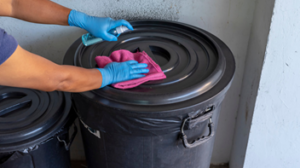
On the other hand, targeted odors and situations may arise. In this case, spot treatment can be used to eliminate an odor at its source for immediate relief. This is especially important for areas with fabric or carpet, as well as trash rooms and dumpster odors.
The most effective treatment options for most facilities are to use a layered approach. Allowing both products that act as a spot treatment to eliminate odors directly and systems to maintain consistent air quality sets your facility up for success
Real-World Odor Control in Your Facility
Depending on your facility and its needs, the path may differ from targeted to full system odor control. Different odors and bacteria will require different options and treatment to eliminate bad smells and long-lasting, unpleasant scents.

Odors that come from a specific surface or material, such as constantly used furniture in your public facility, may need an occasional refresh using an option like State Fabric and Textile Refresher. Offices, hotels, and assisted living facilities may see a need for this frequently, due to the high volume of guests, residents, or employees.
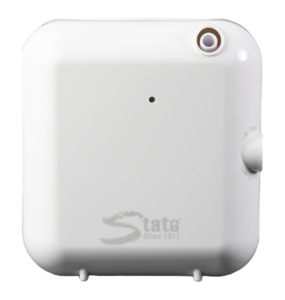
In a facility with a public restroom, you may struggle with lingering smells from urine on floors or bacteria remaining in the air. The flow of people coming in and out every day can be uncontrollable, and this may require all-day monitoring. In cases like these, a Fragrance Cube™ 2-6 can offer consistent odor elimination and provide a pleasant scent.
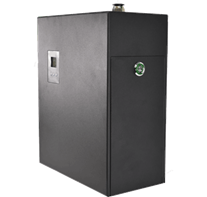
In the most demanding commercial and industrial spaces, an option like the Fragrance Central™ can target airborne smells and odors that start in your vents. Treating your entire facility the same way eliminates odors in a uniform way and doesn’t just mask the smell from room to room.
Solutions for the Most Extreme Odor Problems
In systems such as the Fragrance Central™, Fragrance Cube™, and Fragrance Cube™ 6-15, something stronger than regular SE-500® may be needed, such as potent trash rooms mentioned above. With 2.5x more SE-500® than standard State odor control options, Extreme Odor Eliminator helps to ensure guests don’t have smells to complain about.
Interested in learning more about the strongest odor elimination option State Industrial offers? Watch the video below.
Get in Touch With Our Team
Have a question or need support? Our team is here to help. Fill out the form and we’ll connect you with the right expert to get you the answers you need.
For details on how we handle your information, visit our Privacy Policy.