








The Best Way to Clear Bottom Sludge From Your Business’s Pond or Lagoon
Ponds and lagoons need regular maintenance to prevent sludge buildup. If left untreated, sludge can create unhealthy and unpleasant conditions, harm the water quality of your pond or lagoon, and negatively affect your business’s image.
In this article, we’ll explain why sludge is a common problem for businesses, how it can affect aquatic environments, and what you can do to prevent and treat sludge buildup in commercial ponds and lagoons.
Why Sludge Buildup Is a Common Problem for Commercial Ponds and Lagoons

Sludge naturally builds up over time in ponds and lagoons. It forms when solids and organic materials settle at the bottom.
Soil, sand, leaves, and other particles can wash into commercial ponds and lagoons and eventually settle on the bottom. Stagnant water is especially likely to develop sludge because organic materials can settle more easily.
If these materials aren’t removed or broken down, they continue to build up over time. Eventually, they can form thick layers of sludge.
While sludge is a natural part of many aquatic environments, excess sludge buildup can harm water quality. A consistent maintenance routine can reduce buildup and help prevent sludge from becoming a larger problem.
The Effects of Sludge in Aquatic Environments
Sludge buildup can cause several problems for businesses. It can lower water quality, reduce oxygen levels, create unpleasant odors, and interfere with pond and lagoon systems.
One of the biggest concerns occurs when sludge begins to break down. During this process, bacteria in the sludge consume oxygen from the water. If oxygen levels become too low, fish, plants, and other aquatic life can become stressed or even die.
As sludge breaks down, it can also release nutrients such as nitrogen and phosphorus. These nutrients can encourage weed and algae growth. As these plants grow and eventually decay, they add more organic material to the water, which can contribute to additional sludge buildup.
Sludge can also release chemicals such as hydrogen sulfide and ammonia. These chemicals can create strong, unpleasant odors. As sludge continues to break down, your pond or lagoon may develop a swampy or rotten smell.
Depending on its source, sludge may also contain pollutants such as metals and harmful pathogens. If contaminated water leaves the pond or lagoon, it can create risks for nearby people, property, and the environment.
Because of these potential problems, it’s important to monitor sludge levels and maintain your pond or lagoon regularly.
How to Prevent Sludge Buildup
The best way to manage sludge is to limit the amount of organic material and debris that enters your commercial pond or lagoon.
Here are a few ways to help prevent sludge buildup:
- Maintain grass, plants, and other ground cover around your pond or lagoon.
- Limit fertilizer use near ponds and lagoons to help control algae growth.
- Clean inlet pipes regularly to remove debris and prevent buildup near entrances.
- Use sediment basins around your pond or lagoon to catch soil and debris before they enter the water.
Regular maintenance can reduce the amount of material that settles at the bottom and eventually becomes sludge.
However, every commercial pond and lagoon is different. This is especially true for wastewater lagoons, where some amount of sludge may be acceptable or even expected. Consult your wastewater or maintenance team to determine the appropriate sludge levels and removal practices for your specific system.
Ways to Treat Sludge Buildup in Commercial Ponds and Lagoons
Even with regular maintenance, sludge can eventually build up in commercial ponds and lagoons. When this happens, businesses need an effective way to break down and manage the buildup. The most common way businesses deal with sludge is manually removing it from the commercial pond or lagoon. There are some tradeoffs to this approach, namely with labor cost and safety.
Physical removal using pond vacuums, nets, or rakes require significant effort from your labor team to remove all sludge from your reservoir. Additionally, this extraction exposes them to toxic gases, most notably hydrogen sulfide. Although effective, there are safer and more cost-effective alternatives.
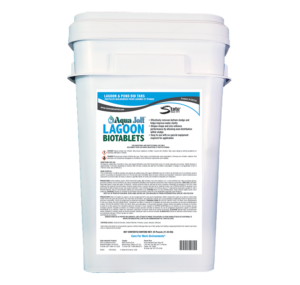
Commercial pond and lagoon treatments such as Aqua Jolt® Lagoon BioTablets can help break down existing sludge. Aqua Jolt® Lagoon BioTablets are designed to sink quickly to the bottom of commercial ponds and lagoons. Once they reach the sludge layer, the biological formula activates and begins digesting the sludge layer directly, effectively removing the sludge from your pond or lagoon without manual labor.
The BioTablets are easy to use. Simply toss them into the deepest areas of your commercial pond or lagoon and allow them to sink to the bottom. No additional equipment or labor is required.
By helping break down sludge layers, Aqua Jolt® Lagoon BioTablets can help improve water clarity and support a cleaner aquatic environment.
Other Commercial Pond and Lagoon Treatments
Sludge control doesn’t stop at treating existing buildup. Preventing organic material from entering your pond or lagoon can help reduce the amount of sludge that forms in the first place.
State Chemical offers additional solutions designed to help break down organic material before it becomes sludge.
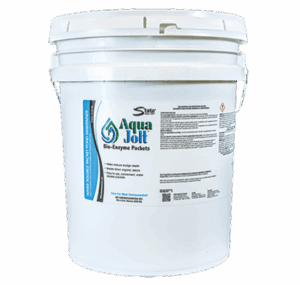
Aqua Jolt® Bio-Enzyme Packets help break down leaves, twigs, and other organic materials found in ponds and lagoons. Reducing this material can help limit the amount of organic matter that settles at the bottom of your water system.
Weeds and algae can also contribute to sludge buildup. As aquatic plants grow and eventually decay, they add more organic material to the water.
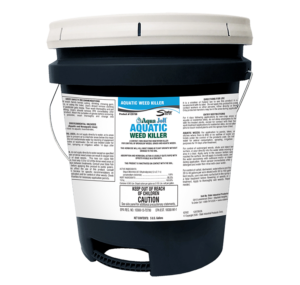
Aqua Jolt® Aquatic Weed Killer can help control unwanted aquatic vegetation in commercial ponds and lagoons. After application, you can begin to see results within days as weeds start to break down.
Managing algae and aquatic vegetation is another important part of pond maintenance. Keeping excessive plant growth under control can reduce the amount of organic material that eventually settles at the bottom.
Sludge Removal Programs for Commercial Ponds and Lagoons
Managing sludge can take time and resources away from your maintenance team. That’s why State Chemical offers wastewater and grounds care programs for businesses. They help manage sludge and other materials that can affect commercial ponds and lagoons.
Our team can service your commercial ponds and lagoons monthly using cleaning solutions designed to help control sludge and other harmful materials. Regular service can save your maintenance team time while helping keep your water basin in better condition.
Our on-site product specialists can also help identify issues with your water system and recommend solutions based on your business’s specific needs.
After each visit, we provide a service report that outlines the condition of your pond or lagoon and the amount of chemical solution used during the service. This gives your team a clear record of your water system’s maintenance and treatment.
Looking for a powerful sludge treatment for your business? Check out our Aqua Jolt® Lagoon BioTablets product page to learn more.
Get in Touch With Our Team
Have a question or need support? Our team is here to help. Fill out the form and we’ll connect you with the right expert to get you the answers you need.
For details on how we handle your information, visit our Privacy Policy.