








Choosing the Right HVAC Coil Cleaner for Commercial Facilities
Picture this: You manage a facility where residents depend on you for reliable heating and cooling. As the weather warms up, the air conditioning runs more often. Then complaints start rolling in. Rooms are not cooling properly, and a musty smell comes from the vents.

In many cases, dirty evaporator or condenser coils are part of the problem. When coils collect dust, grime, and buildup, the system must work harder to move air and remove heat. This can lead to reduced performance and unpleasant odors. That is where coil cleaners come in. This article covers what coil cleaners are, how they work, and how to choose the right option for your facility.
What Builds Up on Coils (And Why it Matters)
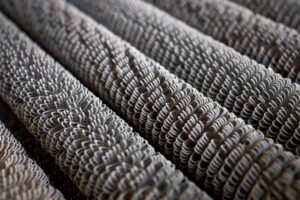
The thin metal fins that HVAC coils are made of allow them to transfer heat fast. Over time, buildup can form layers that block airflow, so the system has to work harder just to do its job.
Common buildup can be as simple as dust and lint. Think about laundry rooms where lint accumulates, or older buildings where dust gradually builds up. Pollen and outdoor debris can make their way into the HVAC systems and land on the coils. When moisture is present, mold and biofilm can grow especially on indoor evaporator coils where condensation is present. Pet hair, dander, salt residue, and soot can all contribute to buildup, hurting the function of your heating and cooling systems.
In your facility, dirty coils can cause a variety of problems. The annoyances can take time away from other projects you may be working on. Buildup can act like an insulating blanket, leading to longer run time and higher energy use. If the airflow drops, the cooling and heating can become weak. Dirty evaporator coils can’t remove moisture well, so spaces are left humid and feel damp. Odors can build due to biofilm and mold, and breakdowns can cause shorter equipment life over time.
If your building is struggling with rising energy costs, comfort issues, moisture in the air, or odors due to coil problems in your HVAC, it’s possible that you may be looking for a coil cleaner to assist your maintenance protocol.
What is an HVAC Coil Cleaner?
The job of a coil cleaner is to remove the buildup from evaporator and condenser coils so air can flow properly, and heat can be transferred through the coil. Using a regular household or general-purpose degreaser is not going to provide the same benefits that a cleaner designed for your coils will.
Regular cleaners may leave residue that attracts more dirt in the long run. Coils are thin, and a regular cleaner can be too harsh for the aluminum or coating on the coils. While you may see results right away with standard cleaners, the “clean” coils could harbor odor over time due to the remaining residue.
A coil cleaner is designed to penetrate the tightly packed fins of the coil. Dirt tends to hide in these places. When the coil cleaner hits the coils, it’s going to loosen and lift whatever dirt, dust, lint, or other debris so it can be rinsed away. In areas that contribute more oily film to the buildup, such as kitchens, the coil cleaner is going to work to break that down.
Depending on your needs, you may be reaching for an aerosol or a liquid coil cleaner to take care of your facility.
Liquid vs. Aerosol Coil Cleaners
Liquid Coil Cleaners

Liquid coil cleaners are meant for full-coil cleaning, especially larger banks of coils. Typically, liquid coil cleaner is applied with a sprayer, such as a pump-up, trigger, or coil-cleaning sprayer. Choosing a liquid formula such as Ecolution® Coil Cleaner means a more flexible application. This is typically best for light dust, grease, or outdoor grime. If you need something thoroughly covered, a liquid coil cleaner makes sense.
Aerosol Coil Cleaners
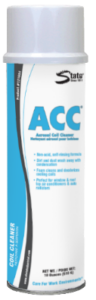
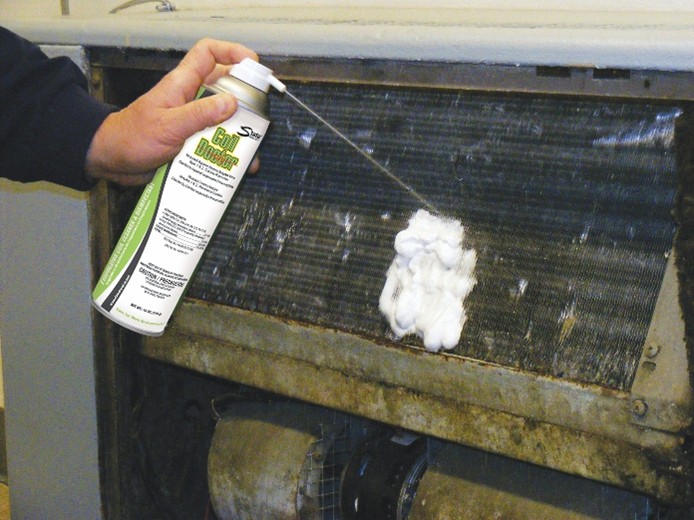
Aerosol coil cleaners are useful for smaller jobs such as fan coils or tight spaces. Since aerosols are sprayed as foam or mist, they tend to create less mess and do well in indoor spaces. Using aerosol options means fast setup and fast application, which is effective for a quick service call or somewhere with limited access. Aerosol coil cleaners such as ACC® can also be used as “no-rinse” products, depending on the conditions of the coil.
Coil Cleaners That Disinfect
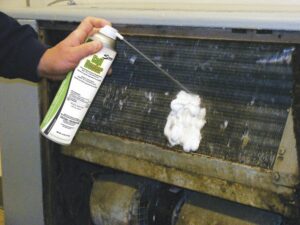
A disinfectant aerosol coil cleaner can both clean and kill bacteria on the coil surface. Compared to a standard aerosol coil cleaner that just focuses on dirt or soil, a disinfectant coil cleaner uses an EPA-registered antimicrobial to attack bacteria.
An option like Coil Doctor™ is also effective against Legionella bacteria, which causes Legionnaires’ disease. When moisture and biofilm are present, disinfecting can reduce bacterial contamination by doing routine coil maintenance.
How Often Should You Clean HVAC Coils?
The frequency of coil cleaning depends on your facility and its operating conditions. In most common facilities, coils are cleaned every 6 months. In high dust or pollutant environments, you may need to clean your coils every 3-4 months. The goal is to avoid the problems that are going to drive complaints or create expensive repairs.

Common areas that may require more frequent cleaning include:
- Kitchens and Cafeterias
- Gyms
- Loading Docks and Garage
The maintenance needs of the coils can also depend on the type of coil. Indoor evaporator coils drive odor, humidity and comfort issues, while outdoor condenser coils contribute more to energy waste and overheating shutdowns. Quick fixes for indoor coils to reduce odor and comfort problems are probably going to be less frequent and emergent. Routine maintenance on larger, more expensive or costly coils is likely done more often to avoid emergencies and expenses.
Benefits of Using an HVAC Coil Cleaner
Coil Cleaners are designed specifically to improve efficiency in heating and cooling systems. Whether that is treating indoor or outdoor coils, it’s important to monitor and maintain the health of your HVAC coils.
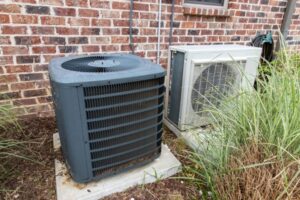
When you keep up with coil maintenance, your guests, visitors, or tenants will experience better heating and cooling in their unit or building. Cleaner coils mean that the heat can transfer the way it’s supposed to. Better climate control in your facility is going to lead to fewer complaints and a more comfortable environment.
In addition to better performance, your facility will lower its energy use when coils are clean. Dirty coils force a unit to run longer to get the same effect. This also causes equipment to give out faster. Using a coil cleaner helps eliminate excessive breakdowns and extends equipment life. Less strain on fans and compressors means less wear over time.
Choosing the Right Coil Cleaner for Your Facility
When choosing the right coil cleaner, you want to make sure that you ask yourself the right questions. Are you in need of indoor or outdoor solutions? What buildup do you struggle with the most? Are you looking for a rinse or a no-rinse solution?
Giving your HVAC coils the attention they need is going to save you time, money, and avoid complaints in the future. Interested in learning more about a coil cleaner option built for your air conditioning? Watch the video below.
Get in Touch With Our Team
Have a question or need support? Our team is here to help. Fill out the form and we’ll connect you with the right expert to get you the answers you need.
For details on how we handle your information, visit our Privacy Policy.